When most people think of Martin Luther King Jr.’s arrest during the Montgomery Bus Boycott, they remember the images of him in court or in a jail cell. But what many don’t know is that Alabama’s legal attack on Dr. King and other civil rights leaders in 1956 was rooted in a law that was decades old—passed not to respond to the civil rights movement of the 1950s, but to crush Black resistance from an earlier generation.

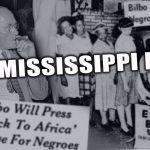
In 1903, in response to Black boycotts of segregated streetcars in cities like Montgomery and Mobile, Alabama passed a law that made it a crime to encourage people to boycott, picket, or refuse service from a business. The law targeted the economic resistance strategies Black communities were using to fight segregation. If Black people chose to walk instead of ride segregated streetcars, they could be charged with conspiracy. If they organized rides to help others avoid riding, they could be arrested for vagrancy or inciting unrest.
This law was Alabama’s answer to the power of protest. And even though it was written in 1903, it never left the books. It just sat there—waiting.
Fast forward more than 50 years to 1956. The Montgomery Bus Boycott had entered its twelfth week. And rather than meet the demands of Black residents, the state responded with legal aggression. A Montgomery County grand jury indicted Dr. Martin Luther King Jr. and 88 other boycott leaders. The charge? Conspiring to interfere with a business.
This wasn’t a coincidence. It was the exact same law passed in 1903 to stop Black people from resisting segregated streetcars. Now, it was being revived to stop Black people from resisting segregated buses. The law that had been written to crush boycotts in the past was being wielded again—this time, against a new generation of leaders.
Alabama’s approach was clear: if Black people organized, if they fought back, if they dared to use their economic power to protest injustice—they would be treated as criminals. The 1903 anti-boycott law gave the state legal cover to suppress resistance, using the courtroom to maintain segregation when the streets could no longer hold it.

And though the Montgomery Bus Boycott is often remembered as a moral turning point, it was also a legal battleground. The state of Alabama tried to turn nonviolent protest into criminal conspiracy. They tried to send a message—not just to Dr. King, but to all who would follow him.
This wasn’t just about buses. It was about power. About control. And about punishing those who dared to say “no” to injustice.
To learn more about the connection between Henry Williams, the Montgomery Bus Boycott, and the history of criminalizing Black protest, watch our full video on Henry’s story.