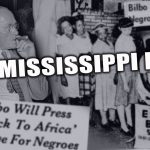
The Power of the Black Press
During World War I, Black newspapers weren’t just sources of news—they were lifelines for Black communities. At a time when mainstream white newspapers ignored or distorted Black experiences, Black-owned publications told the truth. They exposed racial injustice, challenged the government’s treatment of Black soldiers, and gave Black Americans a voice in a country that often tried to silence them.
But that voice came at a cost. The U.S. government saw Black newspapers as dangerous. The federal government viewed their reporting as “disloyal” and a threat to the war effort. Black journalists who dared to expose discrimination in the military and the unfair treatment of Black draftees found themselves under surveillance, threatened, and even prosecuted.
Why the Government Feared Black Newspapers
As the war escalated, the government cracked down on anything it saw as undermining national unity. The Espionage Act of 1917 and the Sedition Act of 1918 gave federal officials broad power to silence dissent. While these laws were framed as tools to stop spies and saboteurs, they were often used against Black journalists who criticized the government’s racist policies.
The Black press was especially vocal about the unequal treatment of Black soldiers. Newspapers like The Chicago Defender, The Messenger, and The New York Age reported on:
- The over-policing and over-prosecution of Black men under the WWI draft.
- The segregation and mistreatment of Black troops in the military.
- The lynching of Black veterans who dared to wear their uniforms in public.
- The hypocrisy of America fighting for “democracy” abroad while denying rights to Black citizens at home.
To the federal government, this wasn’t just journalism—it was a threat to the war effort. Officials feared that Black newspapers could fuel resistance to the draft and encourage Black soldiers to question their service.
Federal Crackdowns: Surveillance and Censorship
To silence the Black press, the government took extreme measures. Federal agents monitored Black newspaper offices, looking for articles they considered “anti-American.” The U.S. Post Office was used as a weapon against these publications, banning newspapers from being mailed if they were deemed too critical of the government.
The Chicago Defender, one of the most influential Black newspapers, was banned from being distributed in the South. Many local postmasters, acting with federal approval, refused to deliver the paper, cutting off thousands of Black readers from one of the few sources of truthful reporting about the war.
Other newspapers faced direct legal action. In 1919, The Messenger, co-founded by A. Philip Randolph and Chandler Owen, was declared “the most dangerous Negro publication” in America by the federal government. Randolph and Owen were placed under government surveillance and threatened with sedition charges for their outspoken criticism of the draft.
The Fight to Keep the Truth Alive
Despite the government’s efforts, Black newspapers refused to back down. They continued to publish, distribute, and report on injustices, even at great personal risk.
Editors and journalists found creative ways to evade government censorship, sometimes using coded language or partnering with trusted Black-owned businesses to distribute their papers privately. Some newspapers shifted their focus to reporting on Black veterans returning from war, highlighting their struggles and exposing the brutal backlash they faced in the Jim Crow South.
Even in the face of federal pressure, the Black press stood firm. Their reporting not only documented the injustices of WWI but also laid the groundwork for the activism that would shape the Civil Rights Movement decades later.
Why This Story Still Matters Today
The fight for truth in journalism isn’t just a story from the past. The government’s attempt to suppress Black newspapers during WWI mirrors the modern struggles against media suppression, racial injustice, and censorship.
It raises important questions about who controls the narrative in times of crisis. It reminds us that the voices of marginalized communities have always been seen as threats by those in power. It connects to ongoing efforts to challenge systemic racism in policing, government policy, and the media.
Learn More About This History
The suppression of Black newspapers during WWI was just one part of a larger effort to control Black communities through the draft, the legal system, and violence. To understand how these injustices played out on a personal level, watch our in-depth video on the George Cabiness case here: