Lynching Was Never Just a Mob Crime
The common image of lynching in the Jim Crow South is often one of out-of-control mobs taking justice into their own hands. But the reality was far more sinister. In many cases, lynch mobs were not separate from law enforcement—they were law enforcement. Sheriffs, deputies, and even state officials played an active role in enabling, facilitating, and often leading these racial terror killings. Lynching was not just tolerated by the state—it was enabled by it. Black victims had nowhere to turn because the very institutions meant to uphold justice were the ones ensuring their deaths.
How Law Enforcement Enabled Lynch Mobs
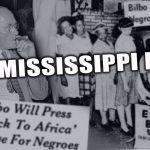
Sheriffs and deputies routinely claimed they were “overpowered” by lynch mobs, but in reality, many of them allowed mobs to take prisoners without resistance. This was the case in 1942 in Quitman, Mississippi, when two Black teenagers, Ernest Green and Charlie Lang, were accused of assaulting a white girl. Without any real investigation, the boys were arrested and placed in a county jail. That night, a white mob broke into the jail, removed them, and lynched them. Sheriff Lloyd McNeal and town Marshall Fortner Dabbs, later claimed they were powerless to stop the mob, a common excuse used by law enforcement during lynchings.

In Jerome Wilson’s case, law enforcement went even further. Wilson, a Black man in Georgia, was accused of a crime and taken into custody. However, when a lynch mob killed him, Sheriff J.L. Brock outright denied a lynching had even occurred, fabricating a story to cover up the crime instead of investigating it. The illusion that law enforcement “tried but failed” to stop lynchings was often a deliberate strategy to avoid accountability while still allowing racial terror to flourish.
In many cases, law enforcement didn’t just step aside—they actively handed over prisoners to white mobs. In South Carolina, the Lowman family was taken from jail and executed by a mob. Sheriff Nollie Robinson and his deputies unlocked the jail and personally delivered the Black prisoners into the hands of their killers, ensuring there was no escape. The case of Jesse James Payne in Florida provides another clear example of police complicity. Payne, a Black man falsely accused of assaulting a white child, was taken from jail and lynched. Sheriff Lonnie Davis, left the jail unguarded so the mob could seize Jesse. His family members were later placed on the grand jury, ensuring that the case was dismissed and that no one faced punishment.

Why This History Still Matters
Lynching was never just about mobs—it was about a legal system designed to uphold white supremacy. The very people sworn to uphold the law often led the violence, enabled the killings, or covered up the crimes. This history is crucial in understanding why Black communities have historically distrusted law enforcement. The legacy of a system that once facilitated lynching still echoes in today’s racial disparities in policing and the justice system. To remember these cases is not just about history—it’s about recognizing how racial injustice was built into the very institutions that claimed to serve justice. And that understanding is essential to ensuring that history does not repeat itself.
Learn More About These Cases
These stories are part of a larger history of racial terror in America—one that cannot be forgotten. If you want to learn more, we’ve covered these cases in detail in our in-depth video series. Check them out to see the full scope of what happened and why it still matters today. Understanding history is key to preventing its repetition, so we encourage you to watch, share, and continue the conversation.