In the span of just a few days in October 1942, Mississippi became the epicenter of a brutal wave of racial terror. Three Black lives were taken by mobs. Two were children. One had just been convicted and sentenced in a courtroom. None were protected. Each was lynched.
What happened that month wasn’t a fluke or a flashpoint. It was a coordinated demonstration of power—a message sent loud and clear across Mississippi and beyond: Black life was disposable, and white mobs still ruled the day. October 1942 wasn’t just a violent month. It was a defining one.
The Shubuta Bridge Lynchings
On October 12, 1942, in the town of Shubuta, Mississippi, two Black teenagers—15-year-old Ernest Green and 14-year-old Charlie Lang—were taken from jail and lynched. The boys had been accused of whistling at or chasing a white girl, though multiple sources suggest it may have been a prank or a misunderstanding. Whatever it was, it didn’t matter. They were jailed. And before they could be tried, they were handed over to a mob.

The mob took the boys to the infamous Shubuta Bridge, tied nooses around their necks, and threw them over. The same bridge had been used for lynchings before. And just like in those cases, no one was ever held accountable. Their deaths were a reminder that in Mississippi, innocence didn’t protect you. Youth didn’t protect you. Nothing did.
The Lynching of Howard Wash
Just four days later, another lynching took place—this time in Laurel. The man was 45-year-old Howard Wash, a husband and father of eight. Howard had been in a fight with his white employer, Clint Welborn. The two had argued, and Clint had allegedly attacked Howard with a shovel. Howard fought back—and Clint died from the injuries days later. Howard fled but was eventually captured. He stood trial, was convicted, and sentenced to life in prison.
But for the white community, that wasn’t enough. A mob gathered outside the jail, overpowered the sheriff, and took Howard. They brought him to the Welborn property, tied a noose around his neck, and hanged him from a bridge. Howard had gone through the legal system. He had been sentenced. But even that couldn’t protect him from the mob.
A Pattern of Terror

Three lynchings. Two towns. That’s what October 1942 looked like for Black Mississippians. It was a month soaked in fear, grief, and the bitter recognition that the law would not protect them.
These weren’t spontaneous acts of rage. They were premeditated. Orchestrated. Coordinated. The jails didn’t resist. The deputies didn’t stop it. And when the governor finally responded, it was after the fact—once the damage had already been done.
Governor Paul Johnson deployed the National Guard to prevent more violence. But for many, it was too little, too late. The lynchings had already exposed the truth: the state had no real plan for protecting Black lives. It only acted when it became too embarrassed not to.

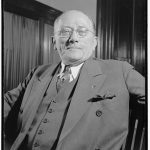
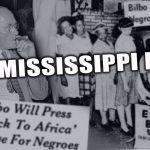
But these lynchings didn’t happen in a vacuum. They occurred in the middle of a national battle over civil rights—specifically, a heated debate in Congress over a bill to outlaw the poll tax. At the time, states like Mississippi used the poll tax to keep Black citizens from voting, and by extension, from sitting on juries or shaping political outcomes. An anti–poll tax bill threatened that power structure. Southern senators like Theodore Bilbo were fighting hard to kill it.
And many believed these lynchings—especially the hanging of two Black boys in Shubuta—weren’t just acts of mob violence. They were warnings. A message to Black America and to Washington, D.C.: “We are still in control here.” These weren’t just local acts of terror. They were political. They were timed. They were statements. And they were meant to remind Black people that any step forward would be met with a rope.
The Black Press Responds
While the state looked the other way, the Black press did not. Papers like the Jackson Advocate, the Chicago Defender, and the Atlanta Daily World covered all three lynchings. In Baltimore, The Afro-American began running a daily count of how many days had passed since the killings. It reminded readers that justice had not come—and probably wouldn’t.

One headline from the New Pittsburgh Courier captured the moment clearly: “Democracy to Battle Mob Rule.” Because that’s what was at stake. Not just the lives of Ernest, Charlie, and Howard—but the very idea that law could stand above hate, that democracy could mean something in the South.
What October 1942 Revealed
This wasn’t an outlier. It was a window into how deep the roots of racial violence went in Mississippi. A man who had been sentenced in court was still lynched. Two children accused of a prank were hanged. There were no trials for their killers. No jail time. No names made public. Just silence. Just fear. Just the quiet closing of legal doors that were never meant to be open in the first place. October 1942 revealed the difference between law and justice. The law had procedures, but justice had no voice. And Black people were caught in the gap between the two.
The Month We Cannot Forget
We don’t tell this story because it’s shocking. We tell it because it’s true. And because it happened. And because it was allowed to happen.
Remembering October 1942 isn’t just about revisiting a painful past. It’s about understanding the systems that made it possible—and the silence that kept it going. It’s about recognizing that for much of America’s history, lynching wasn’t just an act of violence. It was a tool of control. A public statement. A deadly form of racial policing.
And we tell it because Howard Wash, Ernest Green, and Charlie Lang deserved more than a sentence. More than a hanging. They deserved protection. And they deserved remembrance.
To learn more about these cases—and the pattern of injustice behind them—watch our full video series on the story of Howard Wash and the Shubuta Bridge lynchings. You’ll find them embedded below.