Langston Hughes and the Power of Poetry

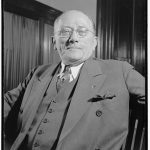
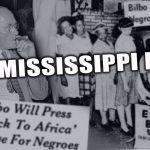
Langston Hughes was more than a poet—he was a voice for the oppressed, a literary activist who used his words to expose racial injustice. Throughout his career, he did not shy away from the harsh realities of Black life in America. Instead, he confronted them head-on, using poetry to challenge white supremacy and racial violence. One of his most powerful works, The Bitter River, was written in direct response to the lynching of Ernest Green and Charlie Lang, two Black teenagers, in 1942. They were falsely accused of chasing a white girl across a bridge, a claim that was distorted and exaggerated to justify their lynching. Despite their innocence, they were taken by a mob and brutally murdered, their deaths serving as yet another example of the racial terror used to enforce white supremacy.. Their murder, like so many others, was a brutal act of racial terror, and Hughes used his poetry as a means of protest, refusing to let their deaths be ignored.
A Poem Born from Tragedy
The lynching of Green and Lang was not just an isolated act of violence—it was a message to the entire Black community, a declaration that white supremacy would be upheld by any means necessary. Hughes understood the weight of these killings, and he poured that anguish into The Bitter River. The poem serves as both an elegy for the lives lost and a condemnation of the systemic racism that allowed such atrocities to continue unchecked.
Before continuing, I want to share part of this poem with you. Consider these words:
“I did not ask for this river,
Nor the taste of its bitter brew.
I was given its water
As a gift from you.
Yours has been the power
To force my back to the wall
And make me drink of the bitter cup
Mixed with blood and gall.”
The Meaning Behind The Bitter River
These lines capture the pain and suffering forced upon Black people in America. Hughes describes a “bitter river” that he never asked for—a metaphor for racial injustice and generational trauma. Hughes’ words reflect the deep sorrow, oppression, and cruelty imposed upon Black communities, mirroring the harsh realities of racial violence. The phrase “yours has been the power” speaks directly to the system of white supremacy that has controlled Black lives, forcing them to endure suffering they never chose.
This is not just poetry—it is a demand for justice. That line—’I did not ask for this river.’ It speaks to the reality of Black life in America. Black people never asked for slavery, lynchings, Jim Crow, or systemic inequality. We never asked to be hung from trees and burned alive in front of cheering crowds. We never asked to be terrorized in our own homes or forced into economic and social conditions designed to keep us down. Everything we have suffered was something imposed upon us. These systems of oppression did not exist until they were placed on Black people. And through his poetry, Langston Hughes made sure the world could not look away. Hughes forces his audience to confront the reality of lynching, not through statistics or newspaper reports, but through raw emotion. His words make it impossible to ignore the human cost of racial terror.
Poetry as Protest
Hughes’ The Bitter River was part of a long tradition of Black artistic resistance. Black writers, musicians, and artists have always used their work to challenge injustice. From spirituals sung by enslaved people to the protest songs of the Civil Rights Movement, art has been a way to fight back against oppression.
For Hughes, poetry was not just an art form—it was activism. He used his platform to give voice to the victims of racial violence, ensuring their stories were remembered. At a time when many white Americans dismissed or ignored the horrors of lynching, The Bitter River forced them to confront an uncomfortable truth. It was a literary refusal to let Green and Lang’s deaths fade into obscurity.
Why The Bitter River Still Matters
Hughes wrote The Bitter River in response to a specific act of racial violence, but its message is timeless. The themes of oppression, injustice, and resilience remain painfully relevant today. Just as Hughes used poetry to demand accountability for lynching, modern Black artists continue to use their voices to speak out against racial violence, police brutality, and systemic inequality.
Art remains one of the most powerful tools for resistance. The Bitter River is not just a poem—it is a testament to the power of storytelling, a reminder that history cannot be erased, and a call to continue the fight for justice. Through Hughes’ words, the memory of Green and Lang lives on, ensuring that their story—and the painful history it represents—is never forgotten.
Learn More About This Case
These stories are part of a larger history of racial terror in America—one that cannot be forgotten. If you want to learn more, we’ve covered these cases in detail in our in-depth video series. Check them out to see the full scope of what happened and why it still matters today. Understanding history is key to preventing its repetition, so we encourage you to watch, share, and continue the conversation.