The story of what happened to the Black community in Ocoee, Florida, in 1920, is one of resilience, ambition, and tragic destruction. To understand the events of that fateful year, we must first explore the context that shaped this thriving community.
A Haven Amidst Hostility
Following the end of Reconstruction, Black Americans sought to escape the oppressive shadow of Jim Crow by building their own communities. These towns became sanctuaries, places where Black people could live with dignity, away from the constant threat of violence and discrimination. Over 60 Black towns emerged, each a testament to self-reliance and resilience.
Towns like Mound Bayou in Mississippi, Boley in Oklahoma, and Eatonville in Florida thrived with schools, churches, newspapers, and independent businesses. Even Black neighborhoods on the outskirts of white towns, like Tulsa’s Black Wall Street or Ocoee, Florida, prospered. These communities turned segregation into an advantage, creating hubs of Black wealth and culture.
However, this success also painted a target on their backs, as their independence and prosperity were perceived as a threat to the racial hierarchy of the time.
The Election of 1920 and Rising Tensions
The year 1920 was a turning point for America. World War I had ended, the 19th Amendment had granted women the right to vote, and Black citizens were mobilizing politically. In Florida, Black Republicans were determined to challenge Democratic dominance, using the ballot to fight systemic racism, poverty wages, and failing schools.
This newfound political power, particularly among Black women voters, provoked a fierce backlash. White supremacist groups, including the Ku Klux Klan, reorganized to suppress the Black vote. Across Florida, warnings were issued: any Black person who voted would face violence.
In Ocoee, a predominantly Black community, these threats did not deter voters. On November 2, 1920, many Black residents, including a prosperous farmer named Mose Norman, went to cast their votes. What followed was a violent response that would change Ocoee forever.
The Attack on Ocoee
When Black residents arrived at the polls, white officials barred them from voting. Mose Norman, undeterred, demanded his right to vote, but he was beaten and driven away. Seeking legal recourse, he consulted an attorney, John Cheney, who encouraged him to document the unlawful suppression.
When Mose returned, tensions erupted into violence. A white mob, led by Colonel Sam Salisbury, began searching for him. Their fury soon turned to another prosperous Black farmer, July Perry, who had also amassed considerable wealth.
A mob of over 100 men surrounded July’s home. Armed and determined to defend himself, July fought back, wounding two attackers. The mob, temporarily repelled, called for reinforcements. By the time they returned, July was severely injured. He fled into the nearby cane fields but was captured, jailed, and later lynched by the mob.
The Massacre and Its Aftermath
The violence didn’t stop with July Perry. The mob descended on Ocoee’s Black community, burning homes, churches, and businesses to the ground. Over 500 Black residents were driven from the town, with many killed. Entire families perished, including a pregnant woman and her mother, who were burned alive in their home.
By the next day, the Black population of Ocoee had been eradicated. Over 330 acres of land and 48 city lots owned by Black residents were stolen. Courts and local officials collaborated to redistribute the property to white citizens. The Perry family’s estate was seized, and a stipulation was added to prevent the land from ever being sold to Black people again.
Preserving the Truth
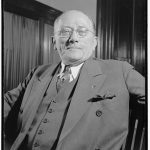
The story of Ocoee might have been lost to history were it not for Zora Neale Hurston and Walter White. Hurston, a celebrated writer, knew the Perry family and documented the massacre in 1939, though her account remained unpublished until 1989. Walter White, a leader of the NAACP, went undercover in 1920 to investigate. His findings were published in The Crisis magazine, exposing the horrors of that night.
White’s report revealed chilling details: children boasting about the violence, and mobs taking body parts as gruesome souvenirs—a common practice during lynchings.