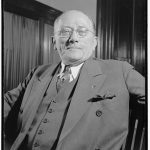
Joan Anne Meyer, a 98-year-old newspaper publisher of the Marion Record in Marion, Kansas, passed away in August of 2023, just one day after a distressing police raid on her home and office. Her death has brought to light troubling issues regarding police conduct and freedom of the press.
The Incident
The Marion Record had received a tip about a local restaurant owner’s past DUI conviction while she was seeking a liquor license. The paper was tipped off via social media by the restaurant owner’s estranged husband, who provided a screenshot of her driving record. Although the paper did not publish the information, the restaurant owner publicly accused the paper of illegally obtaining her records.
This accusation seemed to escalate beyond what might be expected. Police Chief Gideon Cody, who had a contentious relationship with the newspaper, saw an opportunity to retaliate. The paper had been investigating Cody for alleged misconduct from his previous department. Using the restaurant owner’s claims as a pretext, Cody presented false information to obtain a search warrant.
The Raid
With a questionable warrant, police raided the Marion Record’s office and Joan Meyer’s home. They seized computers, cell phones, and other files. The stress and disruption caused by this raid were overwhelming for Meyer, who had dedicated her life to journalism and her community.
The Legal Framework
The First Amendment protects freedom of the press, but its enforcement can be complicated. In this case, the police exploited legal loopholes to justify their actions. The Supreme Court’s rulings have made it relatively easy for police to obtain search warrants if they can claim “probable cause,” even if their motives are retaliatory.
This legal loophole allows police to pursue retaliatory actions against journalists and others who criticize them or expose corruption. Proving exceptions to this rule is difficult, and many journalists and activists face legal and personal repercussions as a result.
The Aftermath
Joan Anne Meyer’s death, which her family attributes to the immense stress caused by the raid, underscores the severe impact of such abuses of power. Her passing prompted renewed scrutiny of the ways in which law enforcement can misuse their authority to target and intimidate those who hold them accountable. The former police chief that ordered the raid has been charged with one count of interference with the judicial process. But this won’t bring back Ms. Meyers or remove the pain her family is still suffering.
This case highlights the ongoing struggle between ensuring press freedom and holding law enforcement accountable. While Meyer’s life and work were dedicated to her community and truth-telling, her tragic end serves as a stark reminder of the vulnerabilities faced by those who dare to challenge powerful institutions.