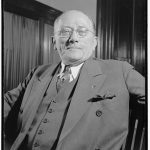
Walter Gunn’s story is one of pain, trauma, tragedy, and the unchecked brutality of Jim Crow Alabama. His life, full of promise and family, was violently cut short by a sheriff who abused his power with impunity all because of jealousy and hatred.
A Life Cut Short
Walter Gunn was born around 1912 in Tuskegee, Alabama, to Eddie and Fannie Gunn. He came from a family of sharecroppers who had managed to own land—a rarity for Black families in the Deep South. As an adult, he married Sallie Hill, and together they had four children. By 1941, Walter was working two jobs, one as a truck driver for the Tuskegee Army Flying School and another as a mechanic at Slayton’s Filling Station, owned by his brother Joe Nathan Gunn. Despite the oppressive racial conditions of Jim Crow Alabama, Walter provided for his family and had built a stable life.
A Dangerous Enemy

Sheriff Edwin “Pat” Evans, elected in 1940, was a man fueled by racial hatred. Walter Gunn allegedly became a target of his wrath over a Black woman named Ollie Jackson, whom Evans reportedly had romantic interest in. Though there was no concrete proof, Walter was rumored to have been seen with Ollie, which enraged Evans. The sheriff used his authority to terrorize Walter, making him the focus of his campaign of racial violence.
Brutality in Broad Daylight
The first attack came in October 1941. After attending Mount Esther Church with his family, Walter was confronted by Evans. In front of his wife, children, and the entire congregation, Evans beat Walter with his handcuffs and stripped him of his clothes, humiliating him publicly. He warned Walter to stay away from Ollie Jackson, threatening even worse violence if he did not comply.
The Fatal Night
On June 27, 1942, Walter was heading home from work, planning to take his wife out for the evening. Sheriff Evans and his deputy, Henry F. Faucett, began tailing him. Walter, knowing their history, attempted to drive home as fast as possible, hoping the presence of witnesses would protect him. As he neared his house, Evans fired his gun, missing Walter but shooting over the heads of his children.
Walter ran from his truck toward the back of his home, but Evans shot again, hitting him. Once he was on the ground, Evans and Faucett pistol-whipped Walter in front of his family. They dragged his unconscious body into his own truck and forced a neighbor, Horace Davis, to drive him to a filling station before instructing Walter’s brother to take him to the hospital. Walter never regained consciousness. He died the next evening from a fractured skull.

Aftermath and the Indictment of Evans and Faucett
Walter’s murder was met with outrage. The Tuskegee Civic Association (TCA), led by Charles Gomillion, fought for justice, demanding a federal investigation. The brutality of Evans and Faucett was not limited to Walter Gunn—many Black citizens in Macon County had suffered under their rule. The FBI took notice after reports of systematic abuse emerged, leading to a federal investigation.

In April 1943, a federal grand jury indicted Evans and Faucett on 13 counts of brutality against Black citizens over a three-year period. The trial, held in Opelika, Alabama, drew nationwide attention. The prosecution presented overwhelming evidence, including testimonies from numerous victims, but the all-white jury refused to convict. Despite damning witness accounts and medical evidence, Evans and Faucett were acquitted.

A Legacy of Injustice
Walter Gunn’s story is just one of countless others that illustrate the horrors of Jim Crow justice. His death was not in vain, as it contributed to the growing fight for civil rights. However, the failure to convict his murderers underscored the systemic racism embedded in the legal system. Today, Walter Gunn’s story stands as a reminder of the resilience of Black communities and the brutal reality they faced in their pursuit of justice.