In the Jim Crow South, justice was never blind. It was wide-eyed and selective—especially when Black lives were on the line. And in 1958 Alabama, it wasn’t just the courts stacked against you. The very institutions fighting for your rights were being hunted down and silenced. That’s what makes Jimmy Wilson’s story even more chilling.

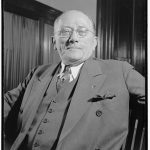
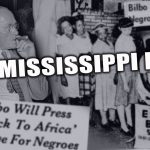
Jimmy Wilson was a 55-year-old Black man sentenced to die for stealing $1.95 from an elderly white woman. But long before the world came to know his name, the odds had already been rigged against him. One of the most telling signs? The NAACP couldn’t help him. Not because they didn’t want to. But because Alabama had banned them.
Yes—banned.

In 1956, Alabama took the extraordinary step of outlawing the NAACP from operating within the state. The official reason? They claimed the organization failed to file proper registration documents with the Secretary of State. But the real reason was retaliation. The NAACP had been instrumental in challenging segregation, filing lawsuits, and organizing Black citizens across the South. And Alabama’s white power structure had had enough.
They weaponized the law to silence the very people fighting to uphold it. Southern officials branded the NAACP as a dangerous outside agitator, even going so far as to label it a foreign-inspired or communist group—a Cold War-era tactic used to justify repression.

Alabama wasn’t alone. Louisiana, South Carolina, Georgia, and Texas also targeted the NAACP during this era, forcing them to halt operations or operate in secret. But Alabama’s action was particularly aggressive and effective.
The impact? When Black citizens like Jimmy Wilson needed a legal defense, the NAACP’s deep bench of civil rights attorneys couldn’t step in. Legendary lawyers like Thurgood Marshall were forced to watch from the sidelines. The courtroom became even more hostile—not just because of racist juries, but because the strongest advocates had been locked out by design.
That’s what made legal defense for people like Jimmy Wilson so fragile. The NAACP had a deep bench—brilliant attorneys like Thurgood Marshall, Robert Carter, and Constance Baker Motley. But in Alabama, they were locked out. Banned by law. Black defendants were left to fend for themselves.

And that’s what makes Fred Gray’s role so powerful. He wasn’t backed by a national legal machine. He was a young, Black lawyer in Montgomery—working in the same state that tried to erase every voice like his. But he took Jimmy’s case. And he got to work.

Gray filed a motion for clemency for Jimmy Wilson. He met face-to-face with Governor Folsom and made the case that Jimmy’s death sentence was a stain on Alabama—and a threat to America’s credibility abroad. He reminded the governor that if Jimmy had been white, he wouldn’t have been sentenced to die. Gray knew how to speak the language of the moment. Cold War politics and national reputation. And with the world watching, it worked. Jimmy’s sentence was commuted to life in prison.

Fred Gray bought Jimmy Wilson something the system never intended to give: time. But Gray shouldn’t have had to act alone.

The Montgomery Improvement Association (MIA), the organization Dr. Martin Luther King Jr. helped launch during the Montgomery Bus Boycott, stepped in to support Jimmy’s case financially. After the boycott’s success, the MIA continued using its resources to support cases like Jimmy’s and Jeremiah Reeves—a Black teenager executed for allegedly violating a white woman. Their involvement in Jimmy’s case was part of a larger strategy to push back against Alabama’s brutal and racially charged legal system.
Imagine what it meant for an entire state to legally block the nation’s most prominent civil rights organization. It wasn’t just about paperwork. It was about power. Alabama understood something very clearly: if you can silence the people who fight for justice, then you never have to deliver it.
Jimmy Wilson’s story is many things—a tragedy, a warning, and a window into the legal system’s cruelty. But it’s also a reminder of how hard Black communities had to fight just to get to the courtroom.
Because in Alabama, justice didn’t just fail.
It was forbidden.