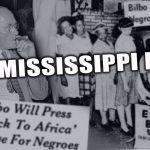
The story of Ben Bess is one of many tragic examples of how systemic racism and a weaponized legal system destroyed the lives of Black people during the Jim Crow era. For Ben, the truth did not matter. What mattered was the color of his skin, an accusation, and the weight of a system designed to uphold white supremacy. This is a story not only of injustice but of resilience in the face of overwhelming adversity.
Prosperity and Resentment in the Jim Crow South

Born on February 14, 1876, in North Carolina, Ben Bess moved to Florence, South Carolina, as a young man and built a successful life. A hardworking landowner, he rented property to both Black and white farmers—a rare accomplishment for a Black man during Jim Crow. Ben’s success allowed him and his wife, Sallie Moses, to live comfortably, even in a society that sought to suppress Black advancement.
Among Ben’s tenants was the Collins family, including Frank Collins, a 71-year-old white farmer who had lived through slavery and its aftermath. Frank, who struggled financially, resented renting from Ben—a reversal of racial hierarchy he would have seen as an affront to his social standing. In 1914, when the Collinses fell behind on their rent, Ben informed them they needed to vacate his property. This decision triggered a devastating chain of events.
The Weaponization of Lies
Rather than leave Ben’s land, Frank and his much younger wife, Maude, devised a plan. Maude accused Ben of attacking her in their home—a claim unsupported by evidence. In the Jim Crow South, such an accusation was a death sentence for a Black man. Despite Ben’s adamant denial and the absence of proof, he was arrested and charged.
Ben’s first trial ended in a mistrial, a rare outcome that hinted some jurors doubted Maude’s story. However, a second trial in 1915 sealed his fate. Testimony from both Maude and Frank resulted in a conviction. Ben was sentenced to 30 years of hard labor, condemned to the brutal conditions of a prison farm.
Convict Labor and Its Toll

Ben’s sentence was effectively a death sentence. At the prison farm, he was subjected to grueling labor, cutting and transporting trees in the unrelenting South Carolina heat. This system, often referred to as “slavery by another name,” was notorious for its dehumanizing conditions. Just one week after his conviction, Ben attempted to take his own life, saying he’d rather die than endure decades of imprisonment for a crime he did not commit.
Sallie’s Fight for Justice
While Ben suffered in prison, Sallie Moses refused to give up. Forced to work at the YMCA to support herself, Sallie dedicated her life to proving Ben’s innocence. In 1927, she enlisted the help of John Timmons, a white merchant and former associate of Ben, who believed in his innocence.

Timmons encouraged Maude to confess, and in 1927, she admitted she had lied. However, her confession came at a price. Maude said she would come forward and tell the truth for $75. Ben and Sallie managed to come up with $50 and Maude said she’d take it. She signed an affidavit admitting her falsehood, which was sent to Governor John Richards. On May 4, 1928, the governor commuted Ben’s sentence, and a week later, issued a full pardon.
A Cruel Reversal and Public Perception
When Ben was released, the public expressed support for him and against Maude. People wanted to help Ben, who they felt had been done a great injustice by Maude. There were calls for Maude to be prosecuted for lying on Ben. Fearing she was about to go to jail, Maude recanted her confession, claiming she had been tricked. Governor Richards revoked Ben’s pardon—the first such revocation in South Carolina history.
A grand jury that had been convened to investigate Maude’s claim that she was coerced into signing her confession turned to investigating Ben’s alleged fraud. Their findings portrayed Maude as an illiterate woman manipulated by Ben Bess and white working on his behalf. The grand jury found that Ben obtained his pardon by “slick fraud.” Ben was rearrested and sent back to prison. Shortly after that, Ben’s pardon was revoked by Governor Richards.
Ben’s attorneys, Nathaniel J. Frederick and A.L. King, filed a writ of habeas corpus, arguing that his pardon was irrevocable. The case went to the South Carolina Supreme Court, where Frederick’s legal acumen shone. Frederick, a trailblazing civil rights advocate, had a long history of fighting systemic racism through the courts. His role in Ben’s case underscores the critical importance of Black legal advocacy during this era.
On August 22, 1928, Judge W.H. Townsend ruled that the money given to Maude amounted to a bribe and that her affidavit had been obtained fraudulently. He ordered Ben to serve the remainder of his 30-year sentence and upheld the revocation of his pardon.
The Supreme Court Victory and Post-Prison Struggles

Despite this setback, Frederick and King appealed to the South Carolina Supreme Court. In 1929, the court ruled in Ben’s favor, declaring his pardon irrevocable. After 14 years of wrongful imprisonment, Ben was free.
But his life had been irreparably damaged. Census records from 1940 show him living in Pennsylvania as a laborer, renting a room—a far cry from his days as a prosperous landowner. The psychological and financial toll of his imprisonment likely strained his marriage to Sallie, who died in 1951, listed as widowed.
The Legacy of Injustice
The story of Ben Bess is a chilling reminder of how systemic racism destroyed lives in the Jim Crow South. Lies from Frank and Maude Collins cost Ben everything—his freedom, wealth, and dignity. Adding to this injustice, Maude died in 1943 at the age of 73, never facing consequences for her actions, while Ben’s life was forever scarred.
Ben’s story demands to be remembered, not only as a cautionary tale but as a testament to the resilience of those who fought against a system built to oppress them. It stands as both a warning and a call to action in the fight for true equality.