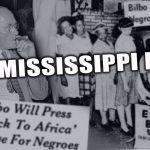
Lynching as a Public Performance of White Supremacy
Lynching in America was never just an act of violence—it was a deliberate public performance designed to instill fear and enforce racial hierarchy. These killings were not done in secrecy but in full view of the community, often with hundreds or even thousands of white spectators. By staging lynchings as public spectacles, white supremacists ensured that Black communities understood their vulnerability under a system that did not protect them.
Lynchings as Public Gatherings

Many lynchings were carefully planned events rather than spontaneous acts of mob violence. White communities often treated them as social gatherings, with some newspapers even announcing them in advance. Lynchings were held in public spaces such as courthouses, town squares, or prominent intersections to maximize visibility. White families attended as spectators, sometimes bringing children and picnic baskets, reinforcing the normalization of racial terror. In some cases, photographers captured the events, and lynching photos were turned into postcards, spreading the terror beyond the immediate community. Bodies were often left hanging for hours or days, ensuring that every Black resident saw the message being sent.
The Role of Law Enforcement and Local Authorities

Public lynchings were not just the work of rogue mobs; they were often sanctioned or ignored by law enforcement. Sheriffs and police officers frequently allowed lynch mobs to take Black prisoners from jail cells, knowing full well what would happen. Courthouse lynchings were particularly symbolic—mobs would seize victims directly from judicial custody and lynch them in front of the very buildings meant to uphold justice. Elected officials rarely intervened, and few lynch mob participants were ever prosecuted, reinforcing the idea that lynching was an accepted method of social control.
Public Display of Bodies as a Warning

Lynching was not just about punishing the individual—it was about sending a message to the entire Black community. The placement and handling of the victim’s body played a crucial role in reinforcing white supremacy. Bodies were often left hanging in high-traffic areas so that Black residents would see them as they went about their daily lives. In some cases, lynching victims were burned, mutilated, or dismembered, and body parts were taken as souvenirs. Lynch mobs frequently forced families and friends to witness the event, ensuring that no one could ignore the brutality of what had occurred.
The Message Behind Public Lynchings
These events were not about individual crimes; they were acts of racial domination and rul.
“Step out of line, and this could happen to you.”
By turning lynchings into mass gatherings, white supremacists ensured that Black people lived in constant fear. Black parents had to teach their children to avoid confrontation, to be deferential, and to never appear as a threat—not out of respect, but out of survival.
Why This History Still Matters
While public lynchings have disappeared, their legacy remains in the lasting trauma and deep scars left on Black communities. The psychological impact of these staged spectacles did not end when the physical violence stopped. The fear and mistrust they instilled continue to shape perspectives on safety, justice, and systemic inequality. The history of lynching serves as a reminder of how public displays of racial terror were used to enforce oppression and why understanding this past is essential to confronting its lasting consequences. By acknowledging this history, we ensure that its impact is neither forgotten nor repeated.
Learn More About These Cases
These stories are part of a larger history of racial terror in America—one that cannot be forgotten. If you want to learn more, we’ve covered these cases in detail in our in-depth video series. Check them out to see the full scope of what happened and why it still matters today. Understanding history is key to preventing its repetition, so we encourage you to watch, share, and continue the conversation.