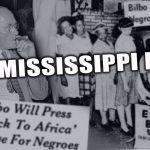
When we talk about injustice, when we talk about violence, when we talk about pain—Black women are too often left out of the conversation. Their suffering is overlooked. Their voices are ignored. Their stories go untold.
Lula Mae Artes’ story is a tragic example of this silence. She was an 18-year-old Black woman who was brutally attacked, reported the crime, and testified in court. And yet, the system failed her. Her story was buried, just as so many stories of Black women before and after her have been erased or dismissed. But this is not just about Lula. This is about a pattern—a long, uninterrupted history of Black women being brutalized and then abandoned by the institutions meant to protect them.
A History of Silence and Neglect
From slavery to Jim Crow to the present day, Black women have endured violence without protection. Their pain has been treated as less important, their bodies seen as undeserving of respect, their cries for justice dismissed.
Take Recy Taylor. A 24-year-old Black mother in 1944 Alabama, kidnapped by white men after leaving church, attacked, and discarded. She identified her attackers. The law knew who they were. But two all-white grand juries refused to indict them. The sheriff barely investigated. The system simply did not care.

Or Mamie Patterson, a 55-year-old mother of six, attacked by two white men in 1948 simply because she refused to tell them where her husband was. A jury cleared them of all charges—as if her suffering never even happened.

And Lula Mae Artes? The white soldiers who attacked her in 1951 were convicted of nothing more than a misdemeanor—”an offense against a woman.” Even though they had confessed. Even though they had been caught. Even though everyone knew what they did.
In each case, the message was clear: Black women’s pain did not matter.
When a Black Woman Speaks, Who Listens?
The brutal reality is that even when Black women fought for themselves, the system refused to fight for them.
Lula Mae reported what happened. She spoke to law enforcement. She took the stand in court. She faced her attackers. But even then, she was not given justice. Instead, she was forced to carry the weight of what happened alone.
For Black women, justice was never about whether they spoke up. It was about who was willing to listen. And history shows us—almost no one was.
Speaking out was dangerous—not just for the woman, but for the entire Black community. Every accusation carried the risk of white retaliation, and many Black women were told to endure their suffering in silence for the greater good.
The Double Standard of Jim Crow Justice
The same legal system that refused to punish the men who attacked Lula Mae Artes was the same system that sent Black men to their deaths without evidence.
If a Black man was even accused of harming a white woman, the law moved swiftly. Lynch mobs formed. Judges handed down death sentences. I’ve told those stories before. We all know what happened to Black men who were accused—whether they were guilty or not.
But when it was a Black woman who was attacked? The law turned its back. The courts hesitated. The grand juries refused to indict. The juries handed out lenient sentences. And Black women? They were left to pick up the pieces of their own broken lives.
The Jezebel Myth: Why Black Women Were Never Seen as Victims
In the courtroom, Lula faced not just her attackers, but centuries of racist myths. Black women were painted as “Jezebels”—always willing, never victims. This stereotype let white men commit atrocities while the law looked the other way.
The same courts that convicted white men of raping white women dismissed cases when Black women were the victims. The assumption was that Black women could not be raped because they were always willing participants—no matter the evidence.
Lula Mae Artes: A Symbol of Every Forgotten Black Woman
Lula’s story is about more than just one case. She represents every Black woman who was violated, ignored, and cast aside.
She was a daughter, a wife, a mother of two. She was a young woman who had just left church, walking home with her family, believing she was safe. But she was not safe. Because Black women have never been safe in this country.
And even after the worst night of her life, she still fought. She still tried to hold her attackers accountable. She still believed in justice. But justice did not believe in her.
She was left to carry the pain. And when the trial was over, history erased her. She vanished from records.
And so, we ask again: What about Black women?
This question is not just about Lula Mae Artes. It is about every Black woman who has been ignored, disrespected, and left without justice. It is about the pattern that has existed for centuries and continues today.
The law demanded that Black women prove they resisted ‘enough’—that they fought back, screamed, or bore physical wounds. But even when they met these impossible standards, courts still found ways to dismiss their cases.
If the law did not stand for Lula, who did it stand for? If she was not seen as worthy of justice, then who was? If her story was buried, how many others have been erased?
This is why we must say their names, tell their stories, and demand that history does not forget them. Because if we don’t, no one else will.